
Low Ceiling Basement Renovation
A low-ceiling basement is a basement with a ceiling height lower than the standard 8 feet. At Elite Imperial Renovation, we specialize in transforming these spaces using elements like bookcases, corrugated metal, crosshatch rafters, drywall, and recessed lighting to enhance both style and functionality.
The need to raise a basement ceiling often arises when homeowners plan to add a legal suite. The Ontario Building Code (OBC) sets minimum height requirements for such dwellings:
-
6 feet 5 inches (1.95 metres) throughout the main area of the room
-
Reduced to 6 feet 3 inches (1.9 metres) in areas occupied by joists, ventilation, or utilities
Our low-ceiling basement renovation services focus on:
-
Creating a more comfortable and inviting living space
-
Maximizing the use of existing square footage
-
Enhancing the perceived height of the ceiling
-
Delivering a cozy, functional, and stylish atmosphere
Whether you’re looking to create a livable suite or simply upgrade your basement, our team ensures your space feels open, modern, and welcoming.
The Challenges of Low Ceiling Basements
Low-ceiling basements come with their fair share of challenges. As a homeowner with a low ceiling basement, you may face several problems such as the following:
The Challenges of Low Ceiling Basements
Low-ceiling basements come with their fair share of challenges. As a homeowner with a low ceiling basement, you may face several problems such as the following:
-
Feeling Cramped and Confined
Low ceilings can make the basement feel much smaller than it actually is. This sense of confinement can reduce the comfort and usability of the space, making it less appealing for living areas, entertainment rooms, or home offices. -
Limited Natural Light
Basements typically have fewer windows, and low ceilings can accentuate the dimness, leaving the space dark and uninviting. Without proper lighting solutions, the basement may feel gloomy and less functional. -
Ventilation Challenges
Poor air circulation in low-ceiling basements can lead to stuffiness and higher humidity levels. This can contribute to musty odors, mold growth, and overall discomfort. -
Design Limitations
Traditional interior design elements, such as tall furniture, hanging light fixtures, or elaborate storage units, may not work in a low-ceiling basement. This can restrict creativity in decorating or renovating the space. -
Reduced Storage Options
With limited vertical space, storing large items becomes difficult. Homeowners may struggle to install cabinets, shelving, or other storage solutions without making the space feel even more cramped. -
Impact on Home Value
A basement with a low ceiling may not be as attractive to potential buyers, especially if the ceiling height does not meet building code requirements for livable spaces. This could potentially affect resale value. -
Compliance with Building Codes
If you plan to convert your basement into a legal living space or rental unit, low ceilings can be a regulatory challenge. Most building codes require a minimum ceiling height, so renovations may require adjustments or creative solutions to meet these standards.
- Low-ceiling basements come with their own set of challenges. As a homeowner with a low ceiling basement, you may encounter several issues, including:
- Feeling Cramped: Low ceilings can make a basement feel confined, especially when natural light, ventilation, and storage are limited. At Elite Imperial Renovation, we help create a more open and spacious atmosphere by using light colors on walls and ceilings, combined with smart storage solutions that keep clutter to a minimum.
- Lack of Natural Light: Basements with low ceilings often feel dark due to small or missing windows. We address this by installing larger windows where possible and incorporating layered artificial lighting, ensuring your space feels bright, welcoming, and functional.
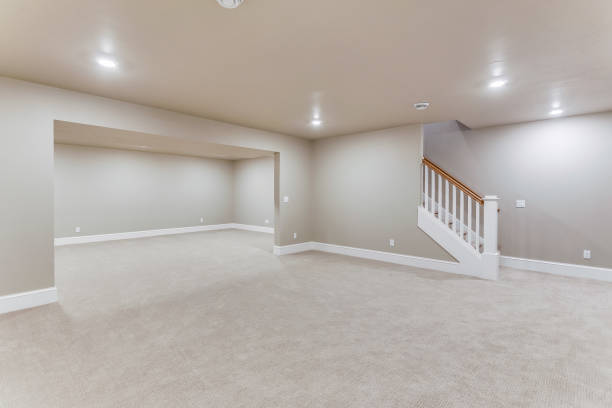
- Difficulty in Utilizing the Space Effectively:
A low ceiling can restrict the types of activities possible in a basement. For example, installing large recreational equipment like a pool table may only be feasible if the ceiling height allows it. To address this challenge, we focus on installing built-in storage solutions and recommend multifunctional furniture, helping to make the most of the available space without compromising functionality. - Moisture and Leaks:
Moisture and leaks can seriously damage ceilings and the overall basement structure. Before starting any low-ceiling basement renovation, we thoroughly inspect the area for signs of moisture and leaks. Addressing these issues upfront ensures a durable and safe renovation while preventing future problems.
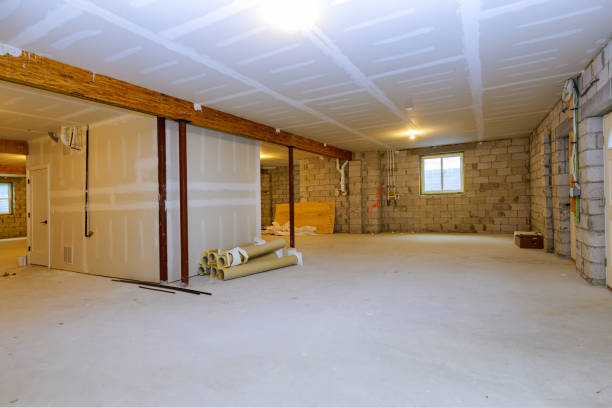
When planning a basement renovation with low ceilings, it is crucial to consider Toronto’s building codes and regulations. Whether you are addressing basement heating, installing flooring, undertaking a small basement remodel, or performing basement waterproofing, you must comply with the applicable building codes and underpinning regulations in Toronto to prevent future issues.
Our Toronto Low Ceiling Basement Expert Solutions
At Elite Imperial Renovation, we specialize in transforming low-ceiling spaces in Toronto, providing solutions that are both functional and aesthetically pleasing. Our services are tailored to meet each client’s unique preferences and needs. Here are the low-ceiling solutions we offer:
Our Low Ceiling Basement Renovation Process
As a renovation company in Toronto and GTA, providing home renovation services among others, we have our step-by-step guide on how we do our Toronto low ceiling basement renovation. The steps we follow are listed below.
- Initial Consultation and Inspection: Our renovation process begins with a comprehensive consultation to understand your vision for your basement. We then conduct a thorough inspection of the existing space, evaluating structural integrity, ceiling height, utility locations, and potential moisture or leak issues. During this stage, we can also provide guidance on financing options for your basement renovation if needed.
- Planning and Design: The next step involves creating a detailed plan and design tailored to your low-ceiling basement. We focus on solutions such as reflective surfaces, optimized layouts, and strategic lighting to maximize ceiling height, enhance the sense of space, and create a more inviting and functional environment.
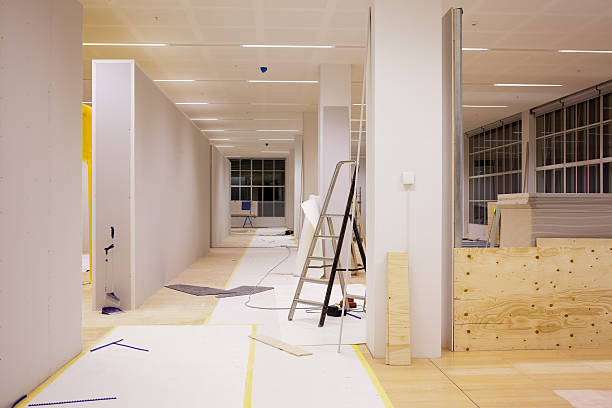
- Obtaining Permits and Approvals: We secure all necessary permits and approvals from local building authorities before beginning any low-basement renovation, ensuring full compliance with regulations.
- Demolition, Preparation, and Transformation: We handle complete demolition and prepare the basement subfloor and walls for renovation. Our services include installing plumbing and electrical systems, as well as managing insulation, waterproofing, flooring, walls, doors, and trim to transform your basement into a functional, stylish space.
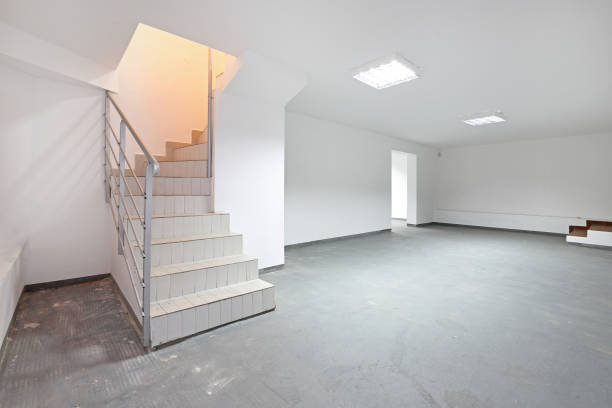
Basement Ceiling Raising Costs
The approximate cost to raise a basement ceiling typically ranges from $85 to $450 per square foot.
Factors Affecting the Cost:
-
Height Increase Required: The more you need to raise the ceiling, the higher the cost due to additional materials, labor, and time.
-
Soil Composition: Looser or friable soil may require extra work or stabilization measures, increasing expenses.
-
Access Limitations: Difficult-to-reach areas may need specialized equipment or manual labor, adding to the cost.
-
Structural Changes: Adding support beams, columns, or other structural elements can raise costs.
-
Additional Expenses: Engineering drawings and plans can cost around $2,000.